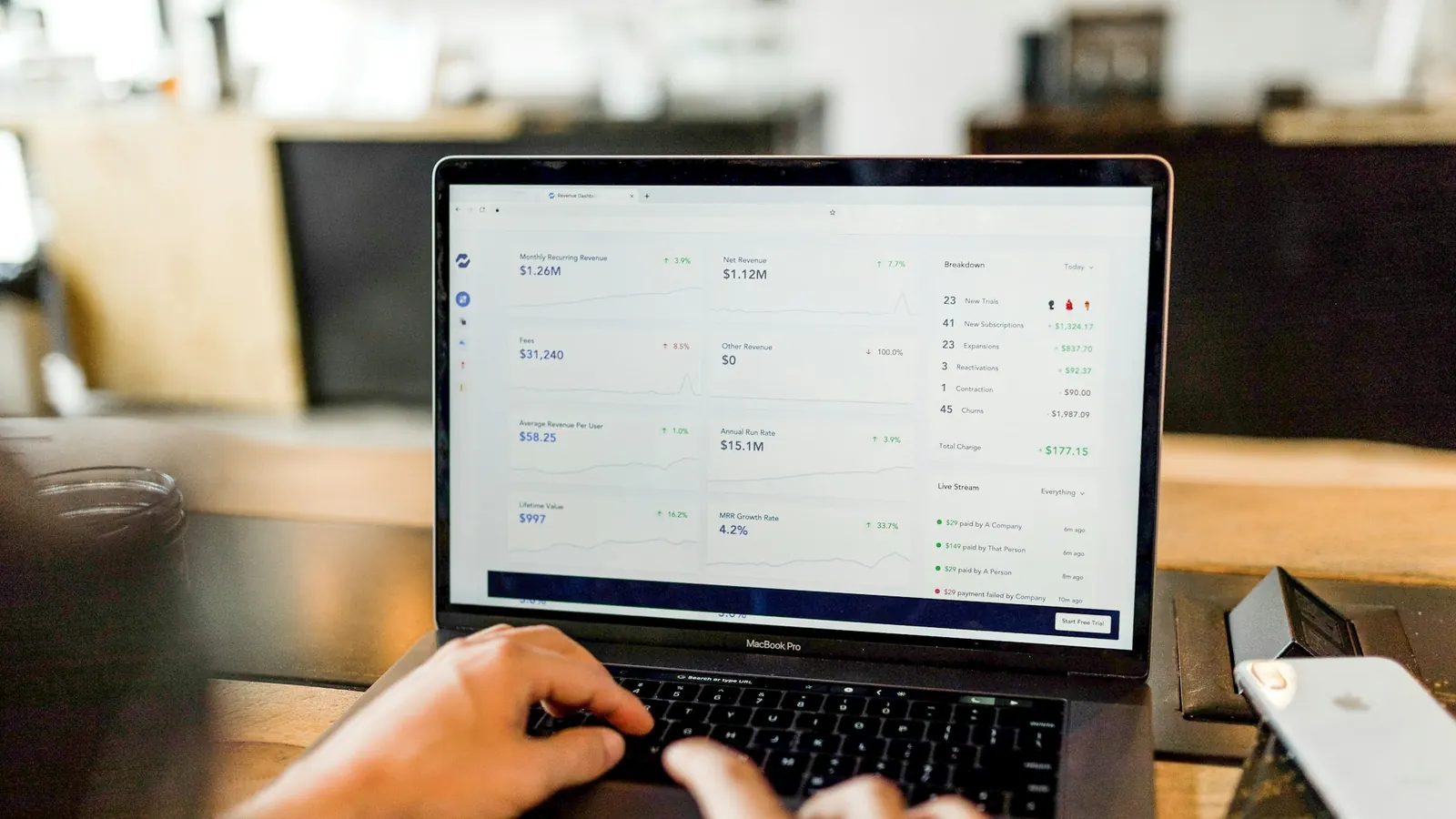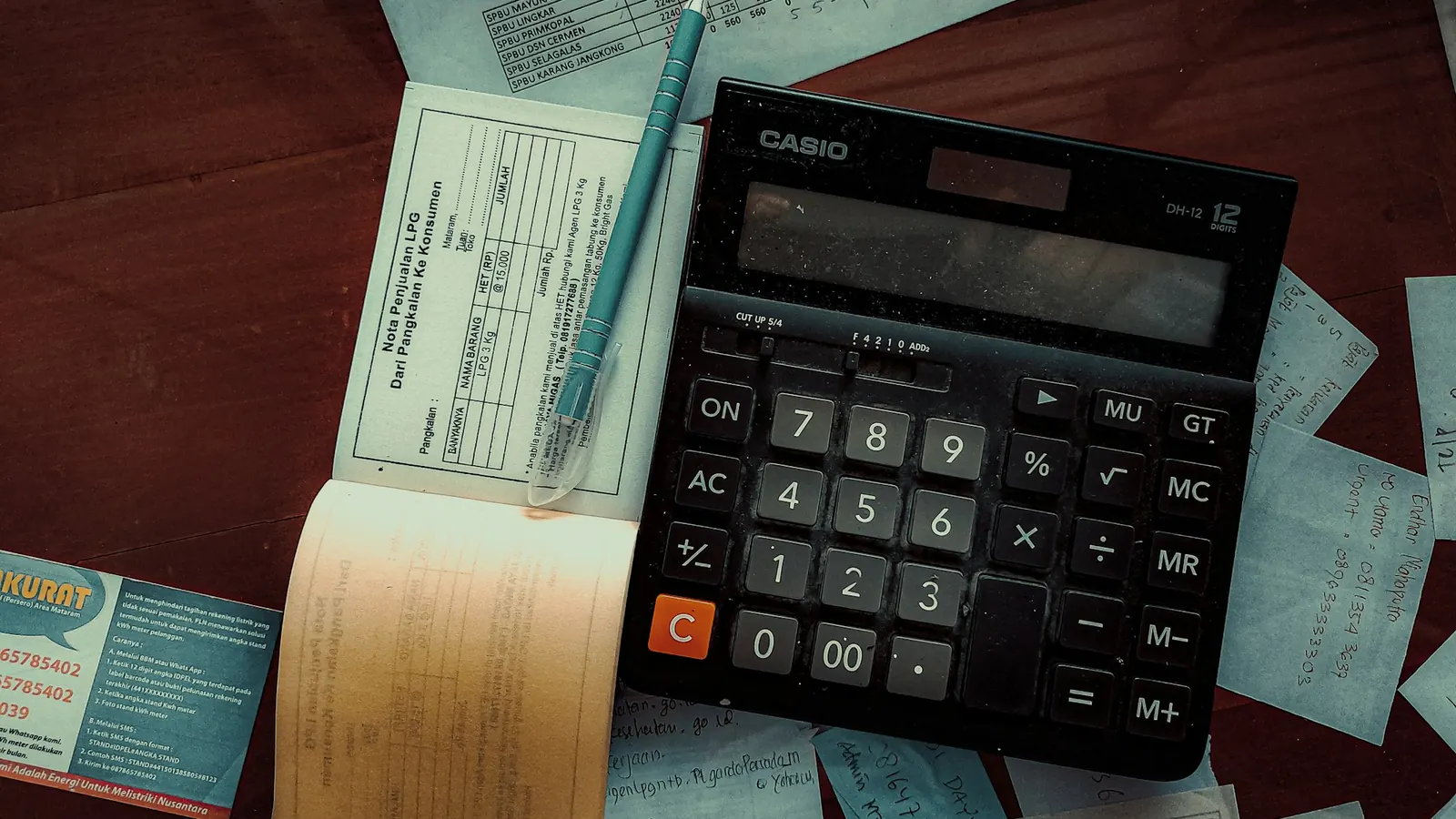
Bookkeeping is the day-to-day recording of everything that happens to your business's money: every sale, every bill, every payment in and out. It isn't the same as accounting, which turns those records into tax returns, forecasts and decisions. But accounting is only as good as the bookkeeping underneath it. Most tax headaches, cash surprises and stressful year ends trace back to books that weren't kept up during the year.
This guide covers the basics for small businesses in the US and UK, then links to detailed guides on each step.
The short version
- Bookkeeping means recording income and expenses accurately, matching them to your bank, and keeping the evidence.
- Keep business and personal money in separate bank accounts from day one.
- Use accounting software with bank feeds. Spreadsheets work at the very start but get risky quickly.
- Do a short routine weekly and a reconciliation monthly, rather than catching up once a year.
- Three reports tell you most of what you need: profit and loss, balance sheet and cash flow.
What does bookkeeping actually involve?
- Recording sales: issuing invoices and logging every payment you receive.
- Recording costs: entering bills and receipts, and categorizing every payment you make.
- Reconciling: checking that your records match your bank and card statements.
- Tracking who owes you money, and who you owe.
- Running payroll, if you have staff.
- Keeping evidence: receipts, invoices and statements, stored where you can find them.
How do you set up the foundations?
A separate bank account
Mixing personal and business transactions is the single biggest cause of messy books. A dedicated business account makes every transaction easy to identify. For limited companies and LLCs, it also helps keep the legal separation between you and the business.
Accounting software
Cloud software such as QuickBooks, Xero, FreeAgent or Wave connects to your bank, pulls in transactions automatically, and produces reports in seconds. In the UK, it also handles Making Tax Digital filing. Our guide to choosing software for a small team covers how to pick.
A chart of accounts
The chart of accounts is the list of categories every transaction is sorted into: sales, rent, software, wages and so on. A clear, simple one makes your reports meaningful. Our guide to setting up a chart of accounts includes a starter list.
Cash or accrual?
You'll need to decide whether to record income and costs when money moves or when they're earned and incurred. Our guide to cash vs accrual accounting explains which suits your business and what the tax rules allow.
What does a simple bookkeeping routine look like?
| How often | What to do | Time for a small business |
|---|---|---|
| Weekly | Send invoices, upload receipts, categorize new bank transactions | 15 to 30 minutes |
| Weekly | Check who owes you money and chase anything overdue | 10 minutes |
| Monthly | Reconcile every bank and card account | 30 to 60 minutes |
| Monthly | Review profit and loss and cash position | 20 minutes |
| Quarterly | VAT return (UK) or estimated taxes and sales tax (US) | Varies |
| Yearly | Year-end review with your accountant | A few hours |
Our month-end close checklist turns the monthly part into a repeatable list, and our bank reconciliation guide walks through the most important step.
Which reports matter?
Profit and loss
Also called an income statement. It shows income minus expenses for a period, giving your profit. Compare it month by month to spot trends.
Balance sheet
A snapshot of what the business owns (cash, equipment, money owed to you) and owes (loans, bills, tax) on a given date. It shows the health of the business beyond one month's profit.
Cash flow
Shows how cash actually moved in and out. A business can be profitable and still run out of cash, as our article on profitable but out of cash explains. A 13-week cash flow forecast looks ahead.
What does a useful monthly review look like?
Reports only help if you read them. A 20-minute review each month, once the books are reconciled, can cover:
- Sales this month compared with last month and the same month last year.
- Your three biggest costs, and whether any jumped unexpectedly.
- Gross margin: what's left from sales after the direct costs of delivering them.
- Cash in the bank compared with bills, payroll and tax due in the next 30 days.
- Customers more than 30 days overdue, and what's being done about each one.
Our guide to small business KPIs has more ideas for which numbers to track.
How do you invoice and get paid on time?
Good bookkeeping starts with good invoices: numbered in order, with clear terms and due dates. Our guide to what to include on an invoice covers the essentials for the US and UK, and our free invoice generator makes one in a couple of minutes.
What are the most common bookkeeping mistakes?
- Leaving bookkeeping until tax time, then trying to remember a year of transactions.
- Categorizing transactions by guesswork, such as putting every card payment into "general expenses".
- Not recording cash payments or money the owner puts in or takes out.
- Ignoring reconciliation, so errors and duplicates pile up unnoticed.
- Throwing away receipts because the bank statement "shows it".
If your books have already fallen behind, our guide to catch-up bookkeeping explains how to get back on track.
Do it yourself or hire someone?
Many owners keep their own books for the first year or two, which is a great way to understand the numbers. It usually makes sense to hand over once bookkeeping takes more than a few hours a month, once you have staff or sales tax in several states, or once mistakes start costing more than help would. Our comparison of outsourced vs in-house accounting covers the options.
Frequently asked questions
What's the difference between bookkeeping and accounting?
Bookkeeping records and organizes transactions. Accounting interprets them: preparing tax returns, financial statements, forecasts and advice.
Can I do bookkeeping in a spreadsheet?
At the very start, yes. As transactions grow, software is faster and less error-prone. UK businesses under Making Tax Digital need compatible software.
How long should bookkeeping take each month?
For a small service business with good software, often two to four hours a month in total. Businesses with stock, staff or many transactions need more.
How long should I keep records?
In the UK, five or six years depending on your structure; see our guide to records for HMRC. In the US, generally at least three years, and longer for some records.
Want your books kept for you?
Our outsourced bookkeeping team keeps US and UK books current every month, with reconciled accounts and a short report you can actually read. Or book a call and we'll look at where your books stand.
See it in practice · Healthcare
Healthcare practice scaled bookkeeping across 12 locations
Curious how your own site scores?
Run our free website audit. Simple report, about 10 seconds, no sign-up.