Part of our guide: UK small business tax: the complete guide for sole traders and limited companies ›
When you buy a laptop, a van or a machine for your business, you don't usually deduct the cost from your profit like an ordinary expense. Instead, you claim tax relief through capital allowances. The name sounds technical, but for most small businesses the outcome is simple: you can deduct the full cost of most equipment in the year you buy it.
This guide covers the main allowances for the 2026/27 tax year. Rules for buildings, research and development, and special cases are more involved, so take advice for those.
The short version
- Capital allowances give tax relief on equipment and other assets you keep and use in the business.
- The Annual Investment Allowance (AIA) lets you deduct 100% of qualifying spending, up to £1 million a year.
- Companies can also claim full expensing on new main-rate equipment, with no upper limit.
- Cars are different: they don't qualify for the AIA, and relief depends on their CO2 emissions.
- Sole traders on the cash basis can usually claim equipment, other than cars, as a normal expense instead.
What counts as plant and machinery
Most capital allowances claims are for plant and machinery, which covers far more than factory equipment. Typical examples include:
- Computers, laptops, phones and printers
- Office furniture
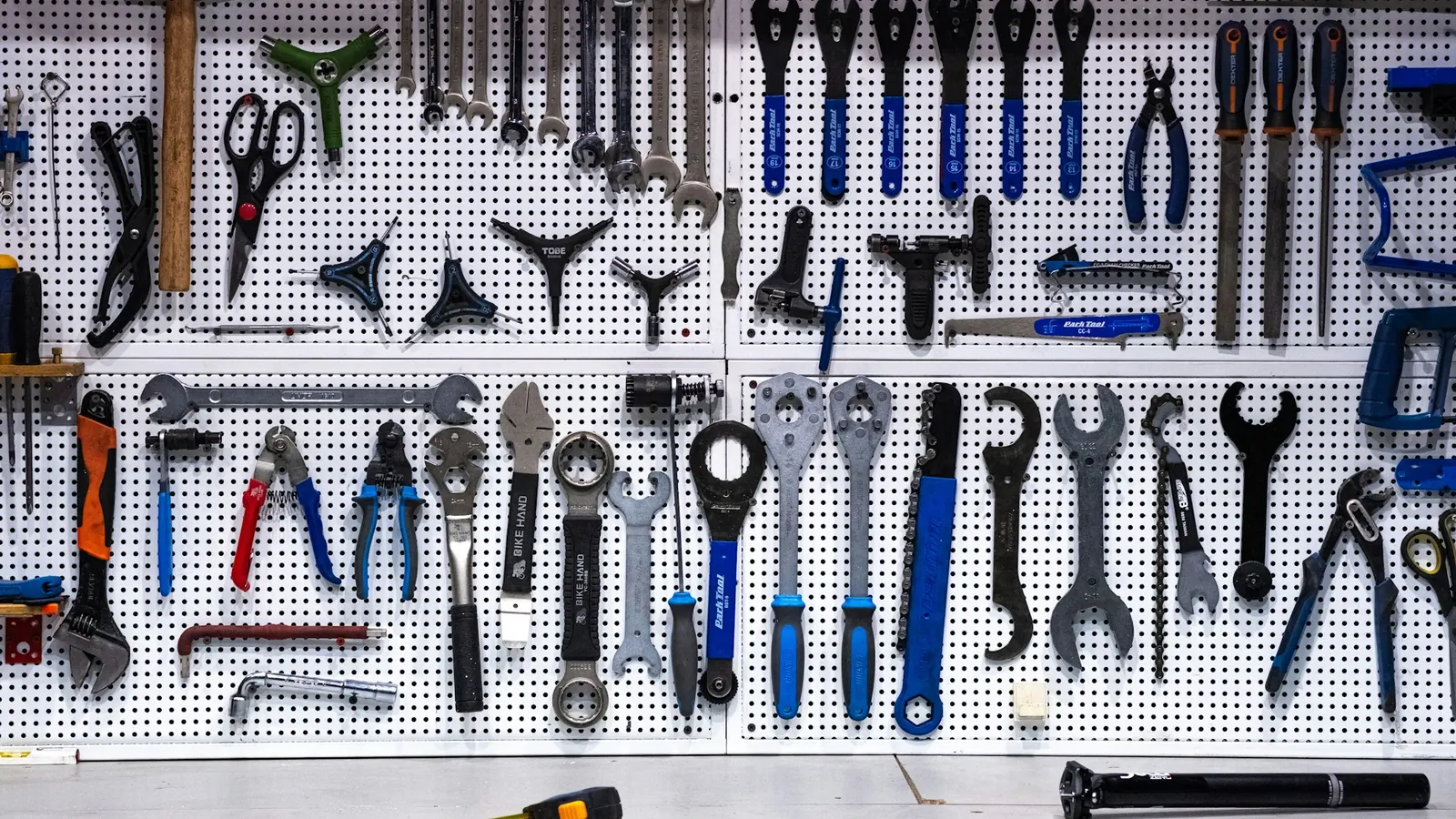
- Tools and machinery
- Vans, lorries and other commercial vehicles
- Some fixtures in a building, such as heating, lighting and air conditioning systems
Things that don't qualify include land, the structure of buildings (which has its own allowance), items you lease rather than buy, and things you buy only to resell.
The Annual Investment Allowance
The AIA is the allowance most small businesses use. It lets you deduct the full cost of qualifying plant and machinery, up to £1 million a year, from your profits in the year you buy it. Few small businesses come anywhere near that limit, so in practice it means a 100% deduction for almost all equipment.
For example, if a sole trader with £40,000 profit buys a £3,000 laptop and £2,000 of tools, they can claim £5,000 of AIA, reducing their taxable profit to £35,000.
Full expensing (companies only)
Limited companies can claim full expensing: a 100% first-year allowance on new and unused main-rate plant and machinery, with no upper limit. There's also a 50% first-year allowance for new special-rate assets, such as long-life items and some building fixtures. For most small companies, the AIA already covers everything, but full expensing matters for larger investments. Second-hand equipment doesn't qualify for full expensing, though it can still use the AIA.
Writing down allowances
If spending isn't covered by the AIA or a first-year allowance, it goes into a pool and you claim a percentage each year, called a writing down allowance. From April 2026, the main pool rate is 14% a year and the special rate pool is 6%, on the reducing balance. That means relief is spread over many years, which is why the AIA is so valuable.
Cars
Cars are treated differently from vans and other equipment. They don't qualify for the AIA. Relief depends on CO2 emissions:
| Type of car | Capital allowance treatment |
|---|---|
| New, zero-emission (electric) | 100% first-year allowance, currently available for cars bought before April 2027 |
| CO2 of 50g/km or less | Main pool, writing down allowance |
| CO2 over 50g/km | Special rate pool, 6% a year |
If you use a car privately as a sole trader, you can only claim the business-use share. Many sole traders find HMRC's mileage rates simpler than claiming capital allowances on a car; you can't do both for the same vehicle. Our guide to allowable expenses explains mileage rates.
Sole traders on the cash basis
The cash basis is now the default way for sole traders to work out profit. Under it, you can usually claim equipment as an ordinary expense in the year you pay for it, without needing capital allowances at all. Cars are the main exception: you still claim capital allowances or mileage for those. If you use traditional accruals accounting instead, capital allowances apply in the normal way.
Selling or scrapping equipment
When you sell equipment you've claimed allowances on, the sale price usually has to be brought back into the calculation. If you've claimed 100% and later sell the item for £500, that £500 is generally added to your taxable profit, called a balancing charge. Keep a simple asset register so these don't get missed.
Buildings and structures
The cost of buying or building commercial premises doesn't qualify as plant and machinery. Instead, the structures and buildings allowance gives 3% a year on the cost of constructing or renovating non-residential buildings, spread over about 33 years. Fixtures within a building, such as heating, electrics and lighting, can often be claimed separately as plant, which is where specialist surveys sometimes find large unclaimed amounts when a property is bought.
Keep an asset register
A simple list of what you've bought, when, what it cost and what you claimed makes capital allowances much easier. It helps you spot balancing charges when you sell, shows insurers what you own, and saves your accountant hours at year end. A spreadsheet with columns for item, date, cost, allowance claimed and date sold is enough for most small businesses.
Timing purchases
Because the AIA gives relief in the year you buy, purchasing equipment you genuinely need just before your year end brings the tax saving forward by a year. That's a useful planning point, but only for things you'd buy anyway. Spending £1,000 to save £190 or £250 of tax still leaves you £750 or more out of pocket.
Official sources
Frequently asked questions
Can I claim capital allowances on equipment bought before I started trading?
Yes. Equipment you owned before starting, such as a computer you bring into the business, can be claimed at its market value when you started using it for business.
Can I claim on equipment I lease?
Usually not. With most leases, the lease payments are an allowable expense instead, so you still get tax relief, just in a different way. Hire purchase is different: you can usually claim capital allowances as if you'd bought the item.
Do I claim the VAT as well?
If you're VAT registered and can reclaim the VAT, claim allowances on the cost excluding VAT. If you can't reclaim it, include the VAT in the cost.
Is a website a capital asset?
It depends on how it's built and used. A simple website with ongoing costs is often treated as an expense. A substantial website that brings lasting benefit may be treated partly as capital. It's worth checking with an accountant for large projects.
Want to make sure you're claiming everything?
Our business tax services team reviews your purchases and claims the right allowances on your return. For how this fits into your tax as a whole, see our UK small business tax guide, or book a call.
See it in practice · Healthcare
Healthcare practice scaled bookkeeping across 12 locations
Curious how your own site scores?
Run our free website audit. Simple report, about 10 seconds, no sign-up.