
Manufacturers often have websites that undersell them badly. A factory that can machine parts to tight tolerances, hold the right certifications and deliver on time ends up with a homepage photo of a handshake and a list of vague services. Meanwhile, the engineer or buyer searching for a supplier wants specifics.
B2B buyers do a lot of research before they contact anyone. They compare capabilities, check certifications, download spec sheets and shortlist suppliers, often without telling you. This guide covers how to make your website the one that makes the shortlist.
The short version
- Describe capabilities precisely: processes, materials, tolerances, sizes and volumes.
- Give each process, product line and industry served its own page.
- Make spec sheets, CAD files and certificates easy to download.
- Use a request-for-quote form that accepts drawings and asks the right questions.
- Write for engineers and buyers, not for a general audience.
Write capability pages engineers will trust
An engineer searching for 'five-axis CNC machining aluminium' or 'medical grade injection moulding' is looking for precise information. A capability page should say which processes you offer, which materials you work with, the tolerances and part sizes you can achieve, batch sizes from prototype to production, lead times, and any finishing or assembly you do in-house.
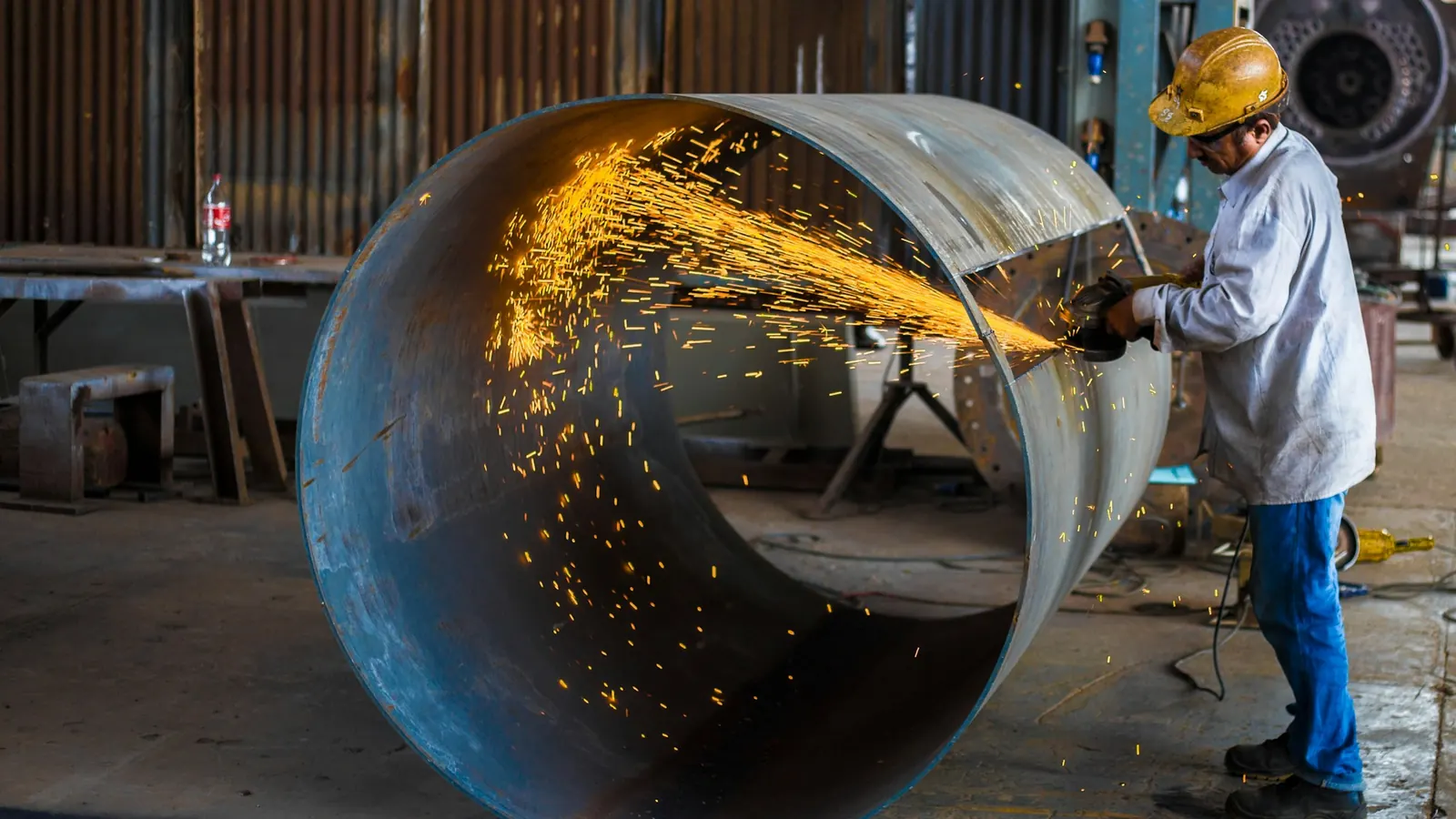
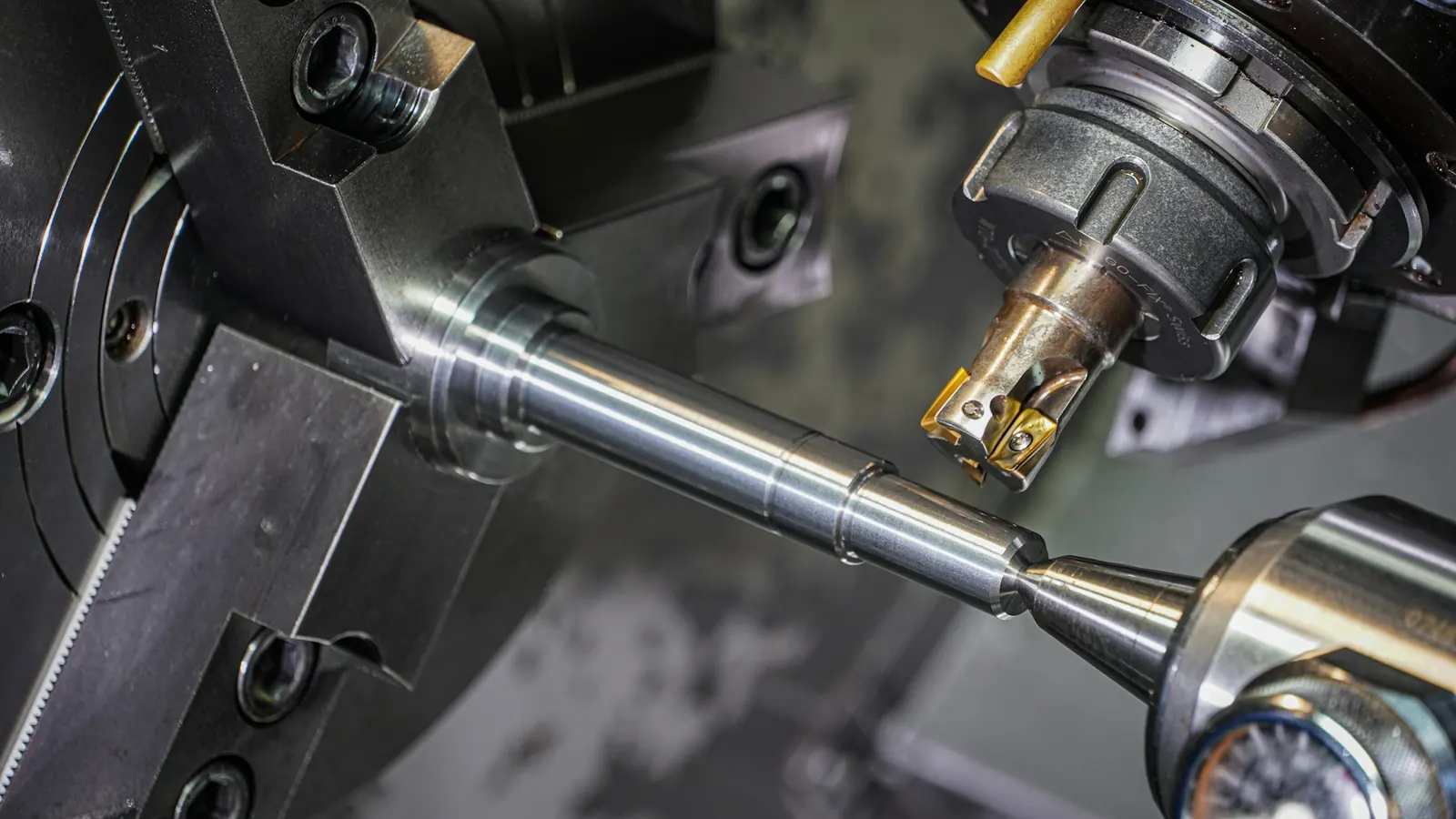
Tables work well for this. So do real photos of your machines and finished parts. Stock photos of a generic factory floor add nothing. Name the equipment where it matters, because buyers often look for specific machine capabilities.
| Page type | Example | Who searches for it |
|---|---|---|
| Process | CNC turning, laser cutting, powder coating | Engineers specifying a part |
| Material | Stainless steel, PEEK, titanium | Engineers with material constraints |
| Industry | Aerospace, medical, automotive | Buyers checking relevant experience |
| Product line | Standard enclosures, brackets, fixings | Buyers ready to order |
| Quality | ISO 9001, AS9100, ISO 13485 | Procurement and quality teams |
Pages for the industries you serve
Buyers in regulated industries want suppliers who understand their requirements. An aerospace page might cover traceability, first article inspection and AS9100. A medical page might cover cleanroom work and ISO 13485. These pages show experience without naming clients, and they rank for searches like 'aerospace machining UK' or 'medical device contract manufacturer Ohio'.
Downloads that save buyers time
Spec sheets, datasheets, CAD models, material certificates and quality certificates are often what buyers came for. Make them easy to find and download, ideally without forcing a sign-up. If you want to capture leads, gate only the most valuable items and keep the form short. Name files clearly, so a downloaded PDF called 'bracket-BR200-datasheet.pdf' still makes sense in someone's downloads folder.
A request-for-quote form that works
A good RFQ form asks for the information your estimators need: part description, material, quantities, target delivery, required certifications and an upload for drawings and models in common formats. Tell people what happens next and how quickly you'll respond. Then make sure every submission goes straight to the right person and gets logged. Our guide to connecting website forms to your CRM explains how, and make sure uploaded files are handled securely.
Show your quality and capacity
Certifications, inspection equipment, quality processes and on-time delivery record are part of what you sell. Give quality its own page with current certificates to download. If you have spare capacity, say so: buyers looking for a second source or a fast turnaround will notice.
Search for B2B manufacturers
B2B searches are lower in volume than consumer searches, but each one can be worth a long-term contract. Use the terms engineers actually use, which are often more technical than marketing teams expect. Our guide to keyword research shows how to find them. Get the technical SEO basics right too, because large product catalogues often create duplicate or thin pages.
Links from trade associations, supplier lists run by industry bodies and technical articles in trade publications all help, and they're often easier to earn for a specialist manufacturer than for a general business.
Case examples without naming clients
Many manufacturers can't name customers because of confidentiality agreements. You can still show what you've done. Write short project examples that describe the problem, the part or product, the material and process, the tolerances or volumes involved, and the result, such as a lead time cut from eight weeks to three, or a part redesigned to remove an assembly step. Describe the customer by sector and size instead of name, and use photos of the part if the customer agrees. Engineers find these more convincing than any claim about quality, because they can see what you're capable of.
Make the site work for everyone in the buying team
B2B purchases often involve several people: an engineer who checks capability, a buyer who compares cost and delivery, a quality manager who checks certification and sometimes a finance director who signs off. Each one looks at different pages. Make sure each can find what they need within two clicks of the homepage, and that the contact page lists the right route for each type of enquiry, such as new quotes, existing orders, quality and accounts. A buyer who has to send three emails to find the right person may simply move on to the next supplier.
Distributors and international buyers
If you sell through distributors or export, add a page that shows where your products are available and how overseas buyers can order. List the regions you ship to, the shipping terms you work on and any export certifications. If you serve both the UK and US, see our guide to one website for two countries.
Frequently asked questions
Should manufacturers publish prices online?
For custom work, rarely, because every job is different. For standard products, showing prices or price ranges can speed up sales and attract smaller buyers.
Do B2B manufacturers really get leads from Google?
Yes. Engineers and buyers search constantly for suppliers, materials and processes. The volumes are smaller than consumer searches, but the value of each enquiry is much higher.
How technical should the content be?
As technical as your buyers. Engineers want specifics. A short plain-English summary at the top of each page helps the less technical buyer too.
How often should we update the website?
Whenever you add a process, machine, material or certification, and check certificates and downloads at least twice a year so nothing on the site has expired.
Want a site that wins RFQs?
We build websites and run SEO for manufacturing businesses in the UK and US. See our website development service, or book a call.
See it in practice · FinTech
FinTech KYC review cut from 5 days to 4 hours
Curious how your own site scores?
Run our free website audit. Simple report, about 10 seconds, no sign-up.