

Every business has a point where work piles up. Quotes waiting for the owner to approve them. Invoices waiting for someone to check the hours. New enquiries waiting for a reply. You can speed up everything else and it makes no difference, because the work still queues at that one point.
Finding it doesn't need special software or a consultant. A whiteboard or a spreadsheet and an honest afternoon usually do it.
The short version
- Pick one process that matters, such as enquiry to paid invoice.
- Write down every step and who does it.
- Note how long work waits between steps, not just how long the steps take.
- Fix the biggest wait first, then look again.
Step 1: choose one process
Start with something that touches customers or cash: enquiry to sale, order to delivery, job finished to invoice paid. Mapping the whole business at once gets too big to be useful.
Step 2: map the steps
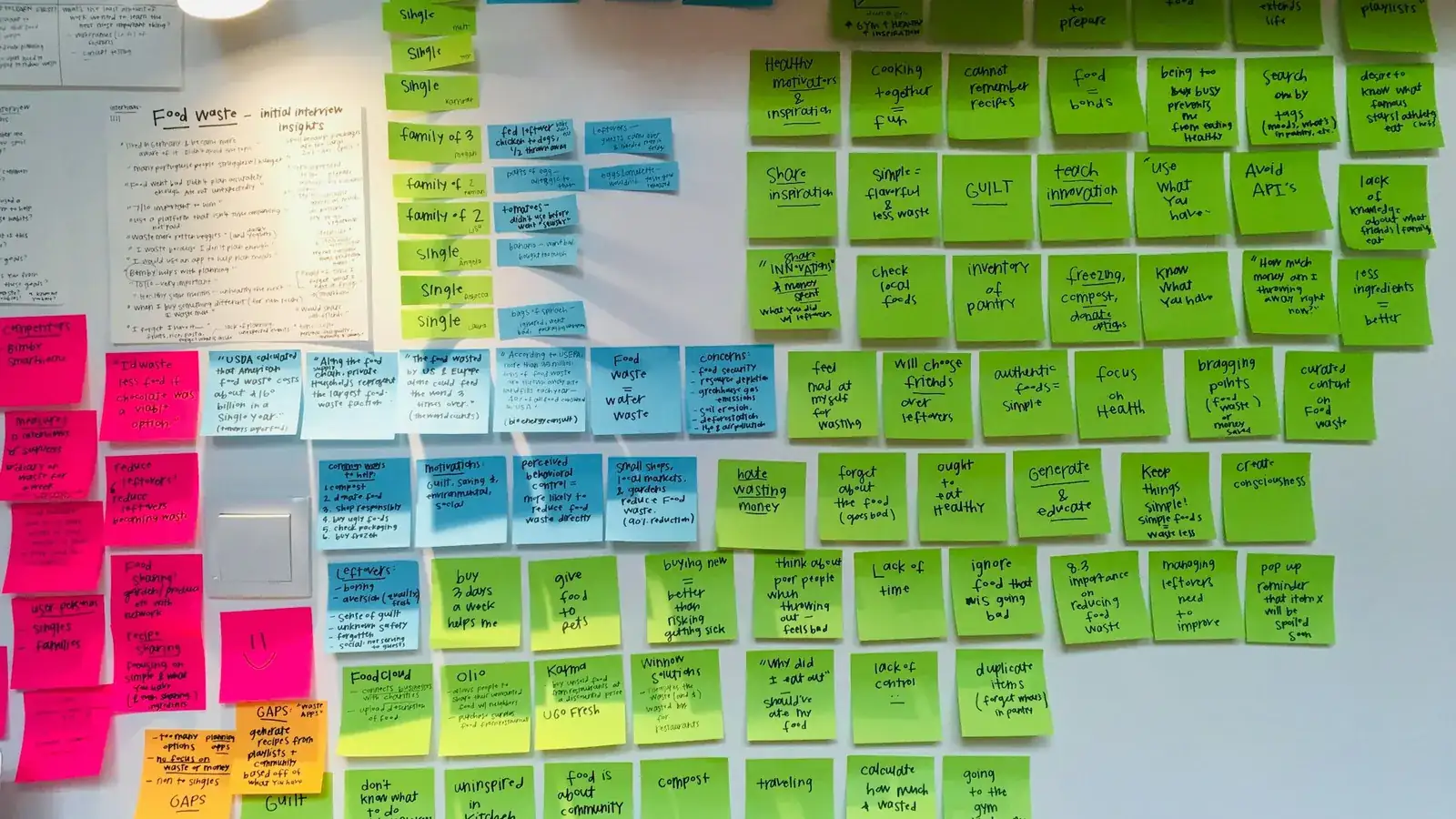
Write each step on a sticky note or a spreadsheet row, in order, with the person or team who does it. Include the dull ones, such as "sits in the owner's inbox" or "gets printed and signed". Ask the people who do the work, because the real process is rarely the one everyone assumes.
Step 3: measure the waiting
For each step, note two numbers: how long the work itself takes, and how long it waits before someone picks it up. Use a few recent real examples rather than guessing. The surprise is nearly always the same. The work takes minutes, and the waiting takes days.
| Step | Work time | Waiting time |
|---|---|---|
| Enquiry arrives by email | 1 minute | Up to 2 days before a reply |
| Quote prepared | 45 minutes | 3 days waiting for the owner's approval |
| Quote sent and accepted | 5 minutes | Depends on the customer |
| Job booked in | 10 minutes | 1 day |
This is an illustrative example, not real data. In it, the owner's approval is the bottleneck: three days out of a week, for a decision that might take five minutes.
Step 4: fix the biggest wait
Some common bottlenecks, and what usually helps:
- Approvals stuck with one person: agree a limit below which others can approve without asking.
- Work waiting in a shared inbox: give it a named owner and a target response time.
- Information re-typed between systems: connect the systems, or at least use one shared form.
- Hand-offs nobody notices: use a shared task list where the next person can see what's coming.
Fix one thing, give it a few weeks, then measure again. Once one bottleneck clears, the next one shows itself. That's normal, and it means the first fix worked.
Frequently asked questions
What's the difference between a bottleneck and a busy person?
A bottleneck is the step that limits how fast the whole process moves. A busy person isn't always one, but in a small business the owner very often is, because so many decisions wait for them.
Do I need process-mapping software?
No. Sticky notes, a whiteboard or a spreadsheet are fine for a small business. Software helps later, once you know what you're improving.
How often should we map our processes?
Whenever something feels slow, and once a year for your most important ones.
Make the fix stick
Writing the improved process down as an SOP stops it slipping back. If you suspect the hold-ups are in your marketing, website or books, our free Business X-ray is a quick place to start, or book a call.
See it in practice · FinTech
FinTech KYC review cut from 5 days to 4 hours
Curious how your own site scores?
Run our free website audit. Simple report, about 10 seconds, no sign-up.